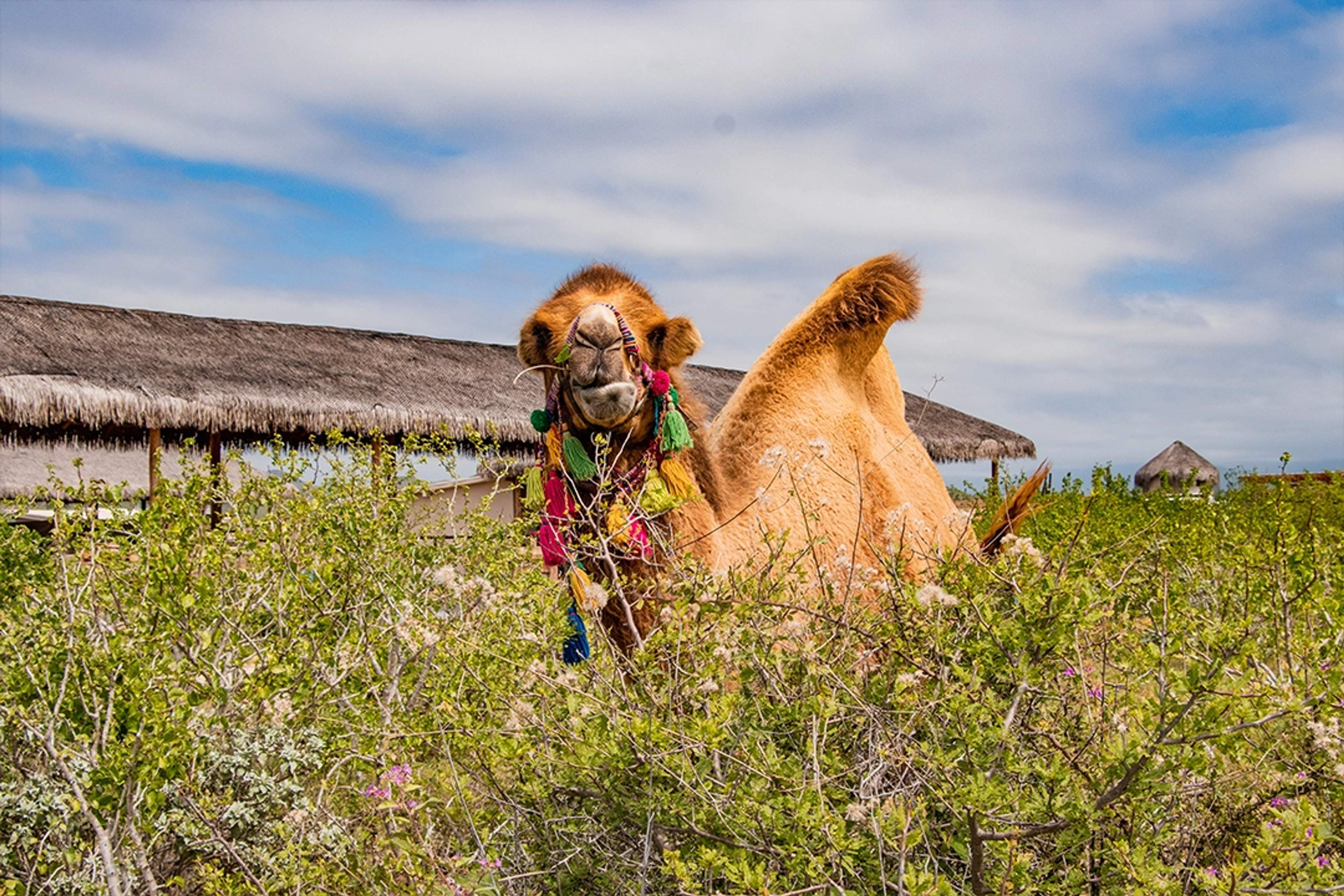
Camels are among the most remarkable animals on Earth, engineered by millions of years of evolution to thrive where most creatures can't. They store fat in their humps, close their nostrils during sandstorms, and remember the humans who treat them well.
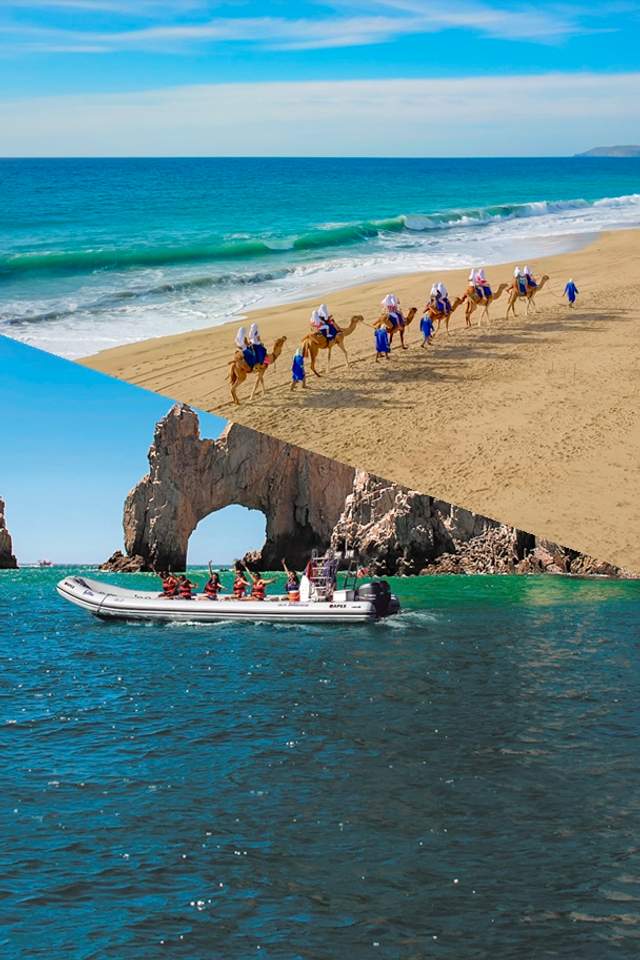
In Los Cabos, where the rugged desert of Baja California Sur meets the Pacific coastline, these extraordinary animals have found a landscape that suits them perfectly. Riding one along the shore, where sand dunes give way to crashing waves, is an adventure that sticks with you long after the trip ends.
10 Fun Facts About Camels
Here are some verified camel facts, many of them surprising, to fuel your appreciation before you meet one in person.
1. Camels Have Three Sets of Eyelids
Camels are equipped with three sets of eyelids and two rows of extra-long eyelashes. The innermost eyelid is a thin, transparent membrane called the nictitating membrane, which works like a biological windshield wiper: it can sweep sand away while still allowing the camel to see during a sandstorm. Bushy eyebrows add a final layer of defense against blowing grit and harsh sunlight.
2. They Store Fat, Not Water, in Their Humps
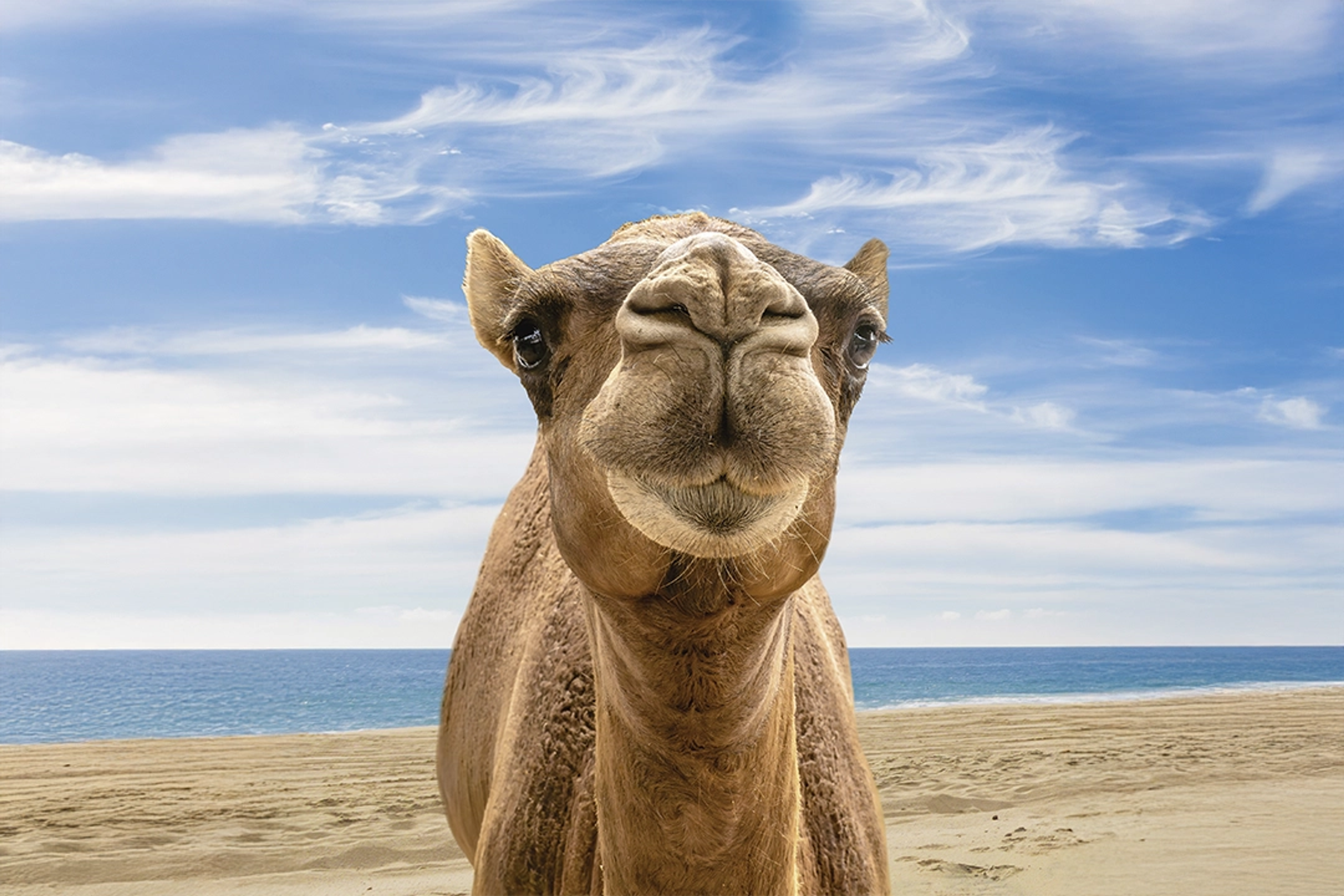
This is the single most misunderstood thing about camels. Their humps contain up to 80 pounds of fat, not water, which the body converts to energy and hydration when food and water are scarce. The fat is concentrated in the hump rather than distributed across the body for a reason: it keeps the camel cooler, functioning as both an energy reserve and a thermoregulation strategy.
3. Camels Can Survive Without Water for Over a Week
Thanks to multiple interlocking biological systems, from sweat suppression to nasal moisture recovery, camels can go a week or more without drinking. When they finally reach water, they can take in up to 30 gallons. What makes this possible is their next superpower.
4. Their Blood Cells Are Shaped Like No Other Mammal's
Camel red blood cells are oval rather than round, which is unique among mammals. This shape allows the cells to expand up to 400% during rapid rehydration, preventing the fatal cell burst that would kill most animals drinking water at the same speed. When chronically dehydrated, these cells even extend their lifespan from the normal 90–120 days to up to 150 days, conserving the metabolic resources needed to produce new ones.
5. They Have a Built-In Brain Cooling System
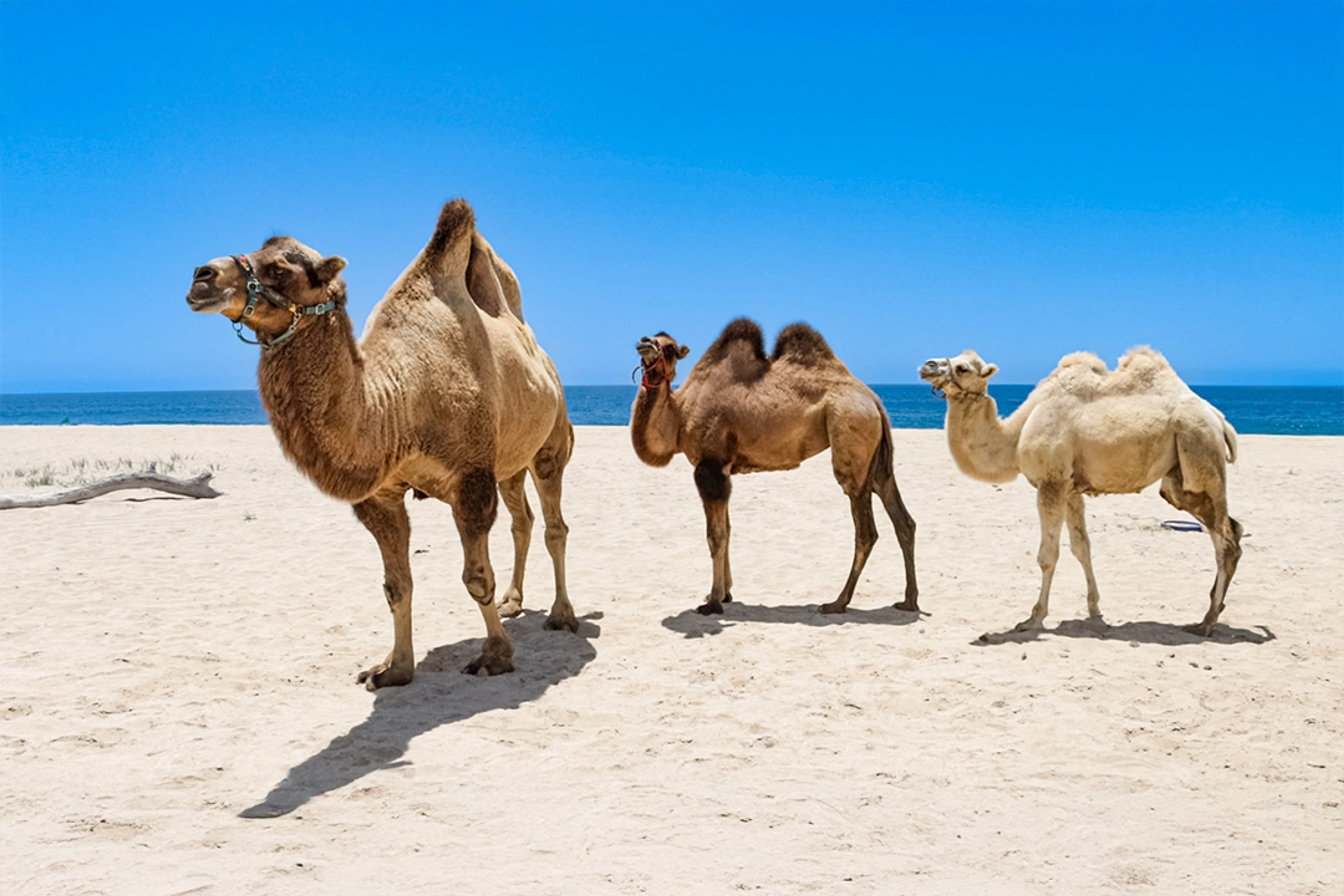
Camels possess a network of blood vessels called the rete mirabile at the back of their brain. Cool blood returning from the nasal passages meets arterial blood heading toward the brain, dropping its temperature by a significant margin and keeping the brain protected even when the camel's core body temperature is climbing in extreme heat.
6. Camels Can Close Their Nostrils Completely
During sandstorms, camels seal their nostrils shut to keep sand out while still breathing. Combined with the nasal moisture recovery system that recaptures water vapor, their noses function as both a filter and a natural dehumidifier.
7. They're Social Animals With Strong Bonds
Camels live in groups led by a male and form lasting social bonds, reflecting genuine social intelligence, not simple herding instinct.
8. Camels Are Surprisingly Strong Swimmers
Though it defies the desert stereotype, camels can swim. In coastal regions of India, Kharai camels regularly swim several kilometers to reach mangrove feeding areas, which is proof that camels are extreme environment generalists, not exclusively desert animals.
9. Newborn Camels Can Walk Within 30 Minutes
After a 12–14 month gestation, a camel calf is born with its eyes open and can walk within 30 minutes. Within hours, it can run. This rapid development is a critical survival adaptation in open desert environments with few places to hide.
10. Camels Originally Evolved in North America
Perhaps the most surprising fact of all is this: the camel lineage stretches back roughly 45 million years on the North American continent. Ancient camels migrated across land bridges to populate Asia, Africa, and, as llamas and alpacas, South America. So when you see a camel walking through the Baja desert, it's actually closer to home territory than you might think.
5 Myths About Camels, Debunked
Camels have long been surrounded by misconceptions that overshadow their true nature. Here's what the science actually says.
Myth 1: Camels Spit When They're Angry
While camels can expel stomach contents, what people call "spitting" is actually regurgitated cud, a defensive response, not a personality trait. Notably, dromedary camels (one-humped, the kind found in Los Cabos) may do this when stressed, but well-cared-for camels in calm environments rarely exhibit the behavior at all.
Myth 2: Camels Are Slow and Lazy
That unhurried walk is deceiving. Camels can reach up to 40 miles per hour in short bursts, which is faster than most people realize.
Myth 3: Camels Are Aggressive Animals
Zoological behavioral research documents little aggressive behavior except among males during breeding season. Outside that context, camels are relatively docile. The myth likely stems from observing stressed animals rather than reflecting the species' baseline temperament.
Myth 4: Camels Can Go Months Without Water
Camels are remarkably efficient at conserving water, but they can't survive months without drinking. Their real genius lies in at least seven biological systems that minimize water loss, not any single storage organ.
Myth 5: Camels Are Stubborn Animals
What looks like stubbornness is often intelligence at work. Cognitive assessments rank camel intelligence higher than livestock, with a strong sense of self-preservation. A camel that refuses a command may be sensing danger. With respectful handling, they become cooperative, dependable companions.
Why Camels Are Smarter Than You Think
The stubbornness myth deserves more attention, because the reality is genuinely fascinating for anyone who loves animals.
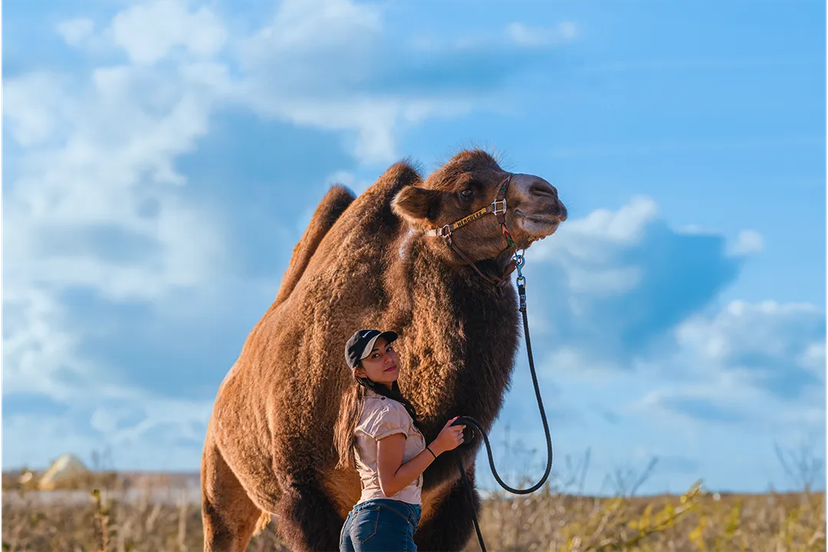
What matters most for anyone planning to meet one is this: camels remember human interactions. Positive encounters create lasting trust. This isn't romanticized speculation; the role of memory is documented as central in shaping their attitudes toward people. When a camel nudges you gently or responds calmly to your guide's voice, that response reflects genuine recognition, not trained obedience.
What Ethical Animal Lovers Should Know
If you care about animal welfare, and if you're reading this article, you likely do, the camel tourism landscape is worth understanding before booking anything.
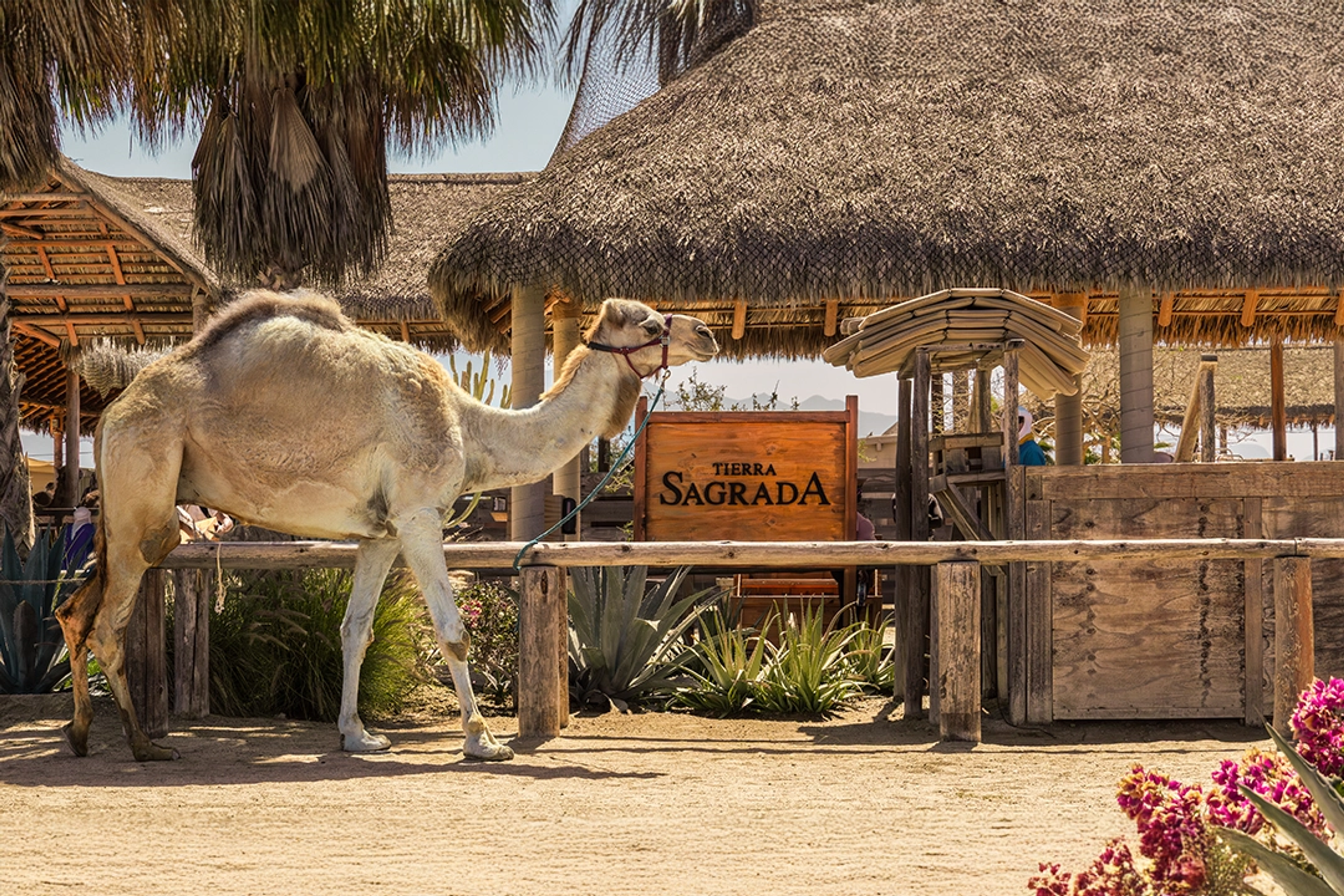
Globally, welfare certification is rare. Global Humane, the international arm of American Humane (a 143-year-old organization and the world's largest certifier of animal welfare), awarded the American Humane Certified seal to Tierra Sagrada ranch in Los Cabos, making it the first and only camel facility in the world to receive this designation. The certification verifies humane treatment through independent, science-based assessment rather than self-reported compliance.
Why Camels Thrive in Baja California Sur
Los Cabos sits within the bi-coastal desert. The Pacific Ocean cools the western shore while the Sea of Cortez, the body of water Jacques Cousteau called "the world's aquarium", warms the eastern coast. This creates an arid environment moderated by maritime influences, with warm temperatures year-round and enough seasonal variation to support exceptional biodiversity.
For camels, these conditions align closely with their biological needs: consistent aridity that matches their water conservation systems, moderate enough temperatures to avoid extreme heat stress, and diverse terrain for natural movement and browsing. The Baja desert's broad valleys, canyon trails, and coastal stretches provide exactly the kind of varied landscapes camels navigate instinctively.
See Camels Up Close in Los Cabos
Understanding camel biology and intelligence is one thing. Walking beside them through the Baja outback while the Pacific crashes nearby is another entirely. Here's how to make it happen.
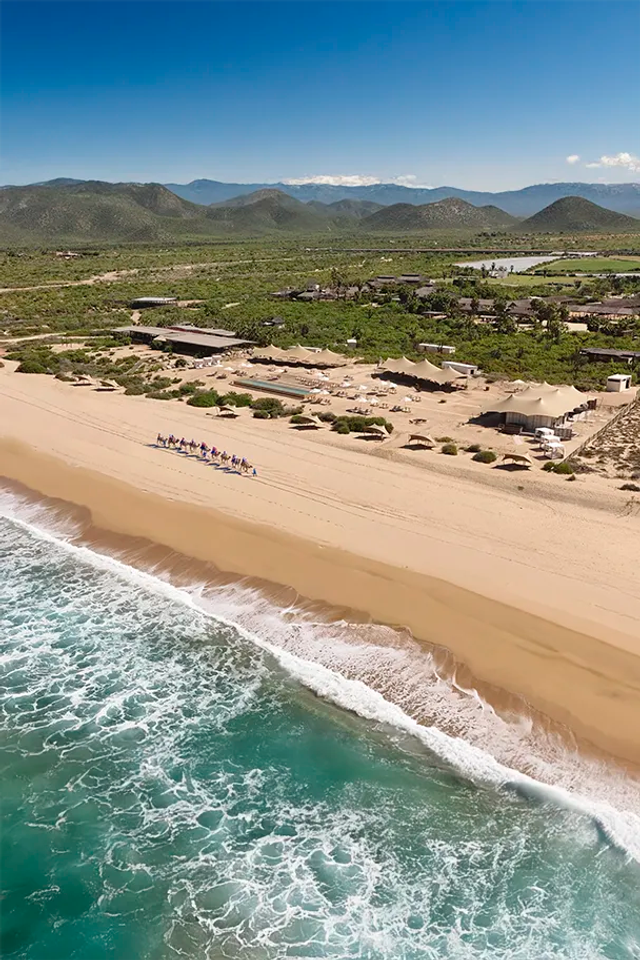
Families looking for an entire day of variety, especially those with kids who need options, will find it at Tierra Sagrada Beach Club All-Inclusive. Camel rides share the itinerary with ATVs, UTVs, e-bikes, a pool and beach club, unlimited drinks, and a kids adventure park with gem mining, a petting zoo, and a mini zipline. It's the kind of day where everyone finds their thing.
A three-hour journey through the desert to the Pacific coastline, complete with a nature walk, tortilla-making class, and mezcal and tequila tasting, is what the Outback & Cabo Camel Ride delivers. The guided nature exploration adds ecological context to the ride itself, connecting the camel facts you've just read to the living desert around you.
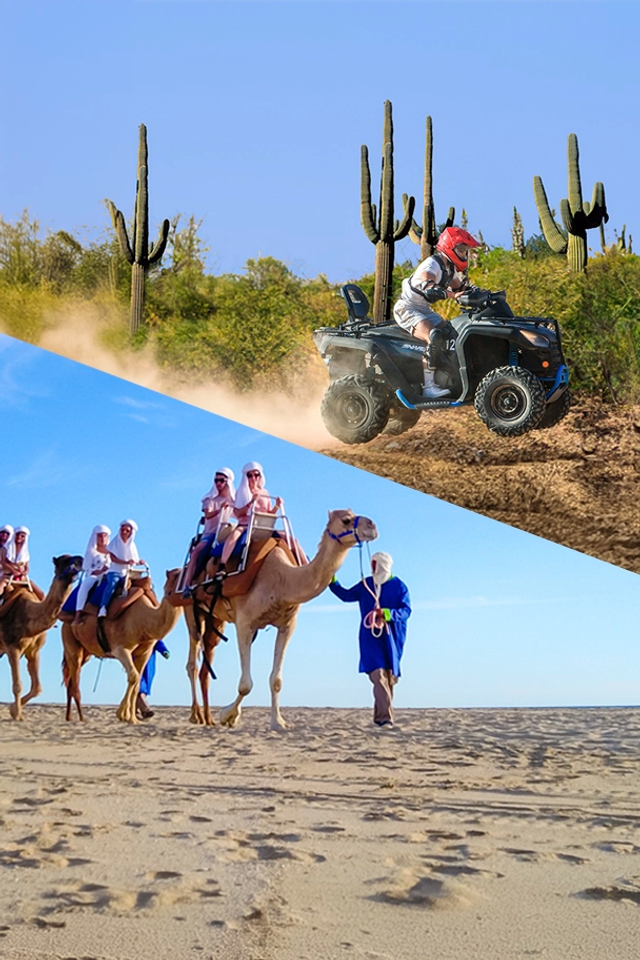
For travelers who want the thrill of speed alongside the calm of a camel ride, the Camels + ATV + Lunch combines both at Tierra Sagrada ranch. You'll ride camels along the Pacific shore, then tear through the Baja landscape on ATVs before sitting down to a traditional Mexican buffet and tequila tasting.
If you'd rather pair your camel ride with Cabo's most iconic landmark, the Camel Ride + Arch + Lunch takes you on a speedboat cruise past Land's End Arch and views of Lover's Beach before heading to the ranch for a scenic beach ride and oceanfront Mexican buffet.
Every camel activity at Tierra Sagrada takes place at the world's only American Humane Certified camel facility, so the animals you'll meet are cared for under the highest independently verified welfare standards in the industry. For animal lovers, that distinction matters.
Spots on these adventures fill quickly during peak travel months. Book your adventure to guarantee your chance to meet these extraordinary animals where desert meets ocean.